Facing the Giant: How to Balance Power When You Feel Outmatched
The iTunes story and the art of rebalancing power

Welcome to my biweekly newsletter covering a range of topics within the deal making space. Join a bunch of curious folks within the dealmaking space here.
We tend to think negotiations are won by the bigger player such as the side with more money, more resources, more leverage. It’s often the first thing we think about and the moment we ‘feel’ smaller, we’ve already put ourselves on the back foot. But history proves otherwise.
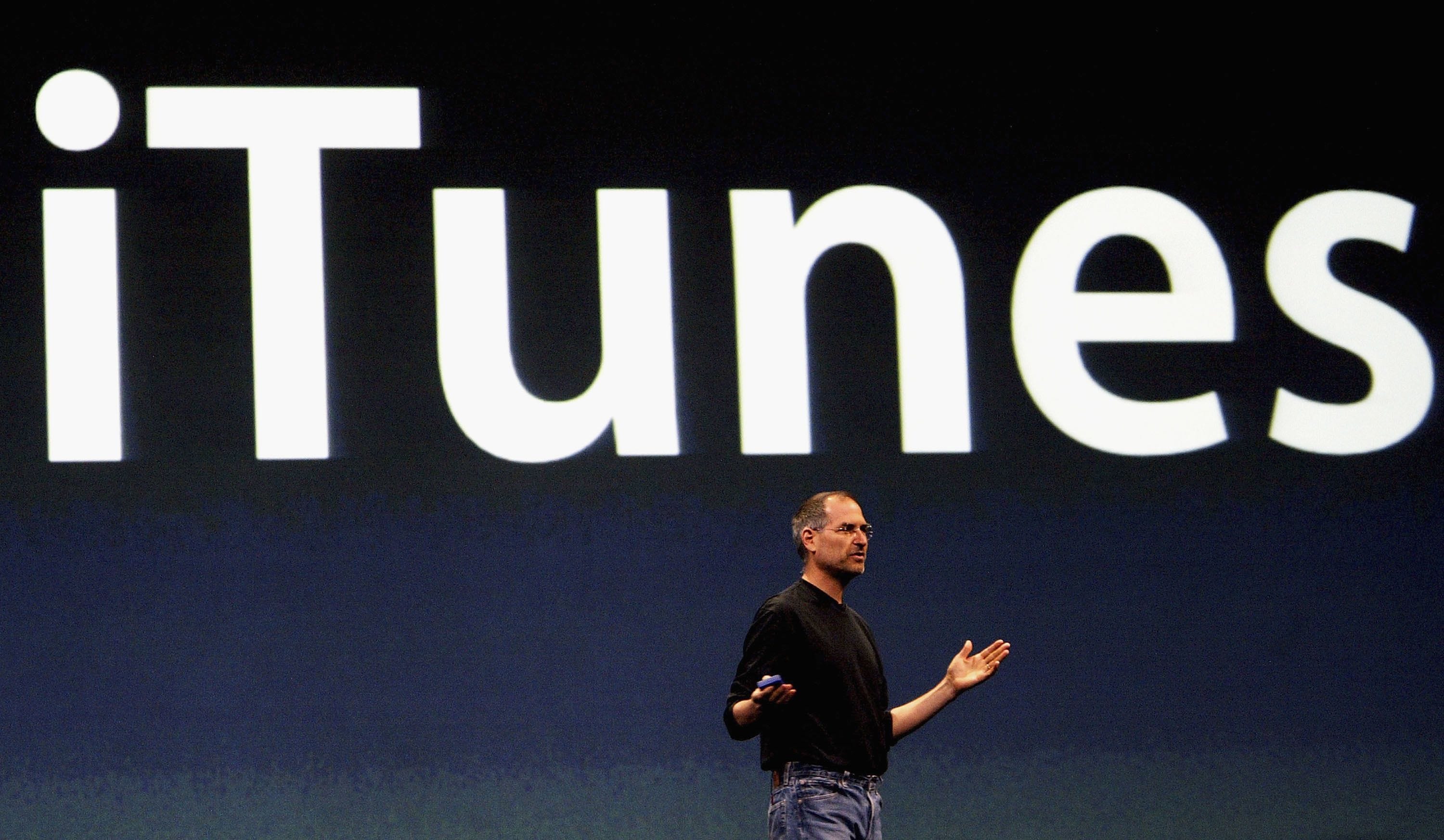
Take Apple in 2001. Far from today’s trillion-dollar titan, Apple was a scrappy computer company with under 5% market share and a market cap of less than $10 billion. Just a few years earlier, it had been flirting with bankruptcy. Next to the music industry giants like Universal, Warner, Sony, EMI where Apple looked like David facing not one Goliath, but four.
And yet, Steve Jobs walked into their offices and convinced them to flip their business model upside down. How did he do it? Let’s dive in.
The Setup: Giants in Trouble
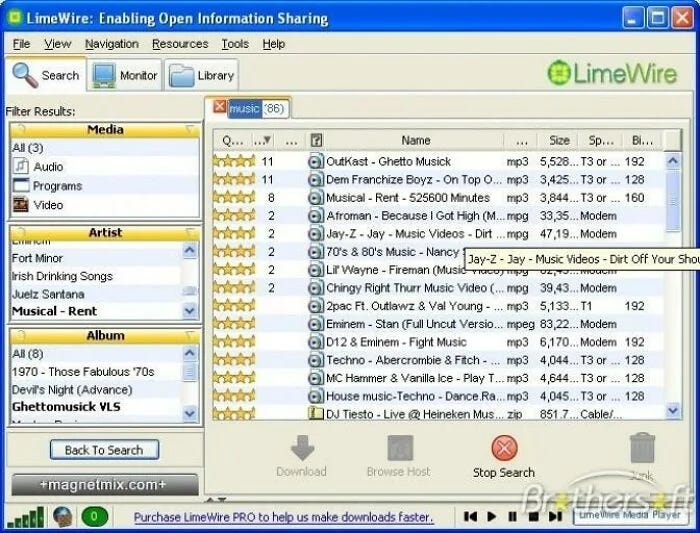
The music industry was bleeding. With players like Napster, LimeWire, Kazaa, piracy was draining billions. I’m sure many of you remember the days of dial-up internet where adding a song to LimeWire and waiting 30 minutes just to be the first with the latest track. The world had suddenly shifted from saving up to buy the latest CD, to downloading a song in 30 minutes and then burning your own disc. This meant CD sales were in free fall. Labels had the content, but they had no control over digital distribution.
Jobs spotted the opening. He offered them a way forward:
99 cents a song — simple, legal, and irresistible to consumers.
iTunes + iPod integration — a seamless system no one else had.
Mass adoption — a path to profit, not piracy.
The labels hated it. They wanted variable pricing, bundled albums, and full control. Apple was asking them to give up decades of precedent and trust a small computer company to lead them into the future.
Jobs pressed harder: “You have nothing to lose. Piracy is already killing you. This is your chance to make digital work.”
The Power Flip
On paper, Apple wasn’t stronger. But Jobs understood something crucial: power isn’t just about size, it’s about leverage.
Here’s how he rebalanced the table:
He created urgency. Piracy had destroyed the labels’ bargaining strength. Apple became the lifeline.
He kept it simple. Consumers didn’t want 12-step downloads or complicated pricing. They wanted one click. Jobs insisted on a model the labels couldn’t deliver alone.
He positioned Apple as the trusted bridge. Not another exploiter, but the neutral distributor who could restore order. This I think was the ultimate stroke of genius.
By 2003, Apple launched the iTunes Store with major label backing. Within a year, 70 million songs had been sold. By 2008, iTunes wasn’t just a store, it was the largest music retailer in the US. .
David hadn’t toppled Goliath. He’d made Goliath need him.
Lessons for Today’s Underdogs
The Apple story isn’t just history. It’s a playbook for anyone who feels outmatched in a negotiation:
Find the pain point. Giants have vulnerabilities. For the music industry, it was piracy. What’s theirs?
Bring what they can’t. Apple offered integration and consumer trust the labels couldn’t build. What’s your unique edge?
Reframe the deal. Jobs didn’t pitch iTunes as a nice-to-have. He framed it as survival. As Andy Warhol said, ‘Perception precedes reality.’
Insist on simplicity. Complexity favors giants. Simplicity is where underdogs win.
Play the long game. Jobs wasn’t after one deal — he was building the future of music.
The Risk vs. Reward of Rebalancing
Jobs took risks. Flat 99-cent pricing could have backfired. The labels could have walked away. But by pushing for balance, he won more than a deal, he reshaped an industry.
That’s the reward: when you rebalance power, you don’t just survive the negotiation. You often create something lasting.
Closing Thought
The next time you walk into a negotiation feeling like the underdog, don’t ask, ‘How do I beat the giant?’
Ask instead: How do I make the giant need me?
Because that’s how David really wins.
If you’d love to dive deeper into some of the resources that inspired me to write this, I’ve dropped the links below;

A great podcast about Napster versus the Record Labels