
Closing Deals Under Pressure: How to Reduce Perceived Risk
Create options to reduce risk and accelerate your progress

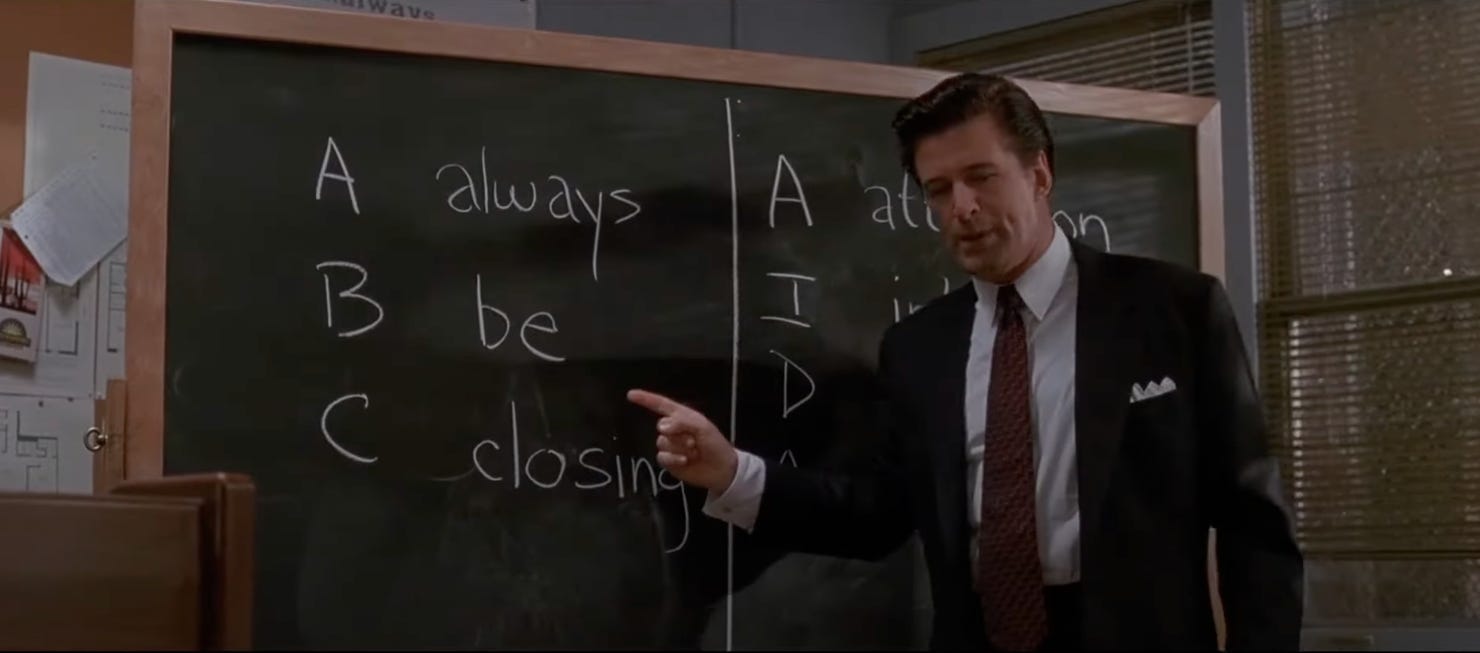
Closing deals is one of the most satisfying feelings, and it’s ultimately that feeling we chase for joy. Meeting timelines is critical, and failing to hit the mark can make that joy slip away. The time pressure is real, with the latter half of the year typically being crunch time. You’ve invested significant effort building momentum, and you can feel it’s about to pay off.
The reality, though, is that these deals are dependent on people, which drastically increases your risk. This is especially true for deals with a large number of complex stakeholders, each playing a role in the decision-making process. It's much easier when one person makes a decision, but it gets very tricky once your stakeholder list grows. Sometimes this can grow to up to 100 people for a given deal. Just take a step back and think about this: these are 100 different opinions, values, cultural backgrounds, and objectives. This complexity can stall your progress, so you need to do a few things to close the deal, even when you’re under extreme time pressure.
Make things ‘feel’ less risky and you’ll close
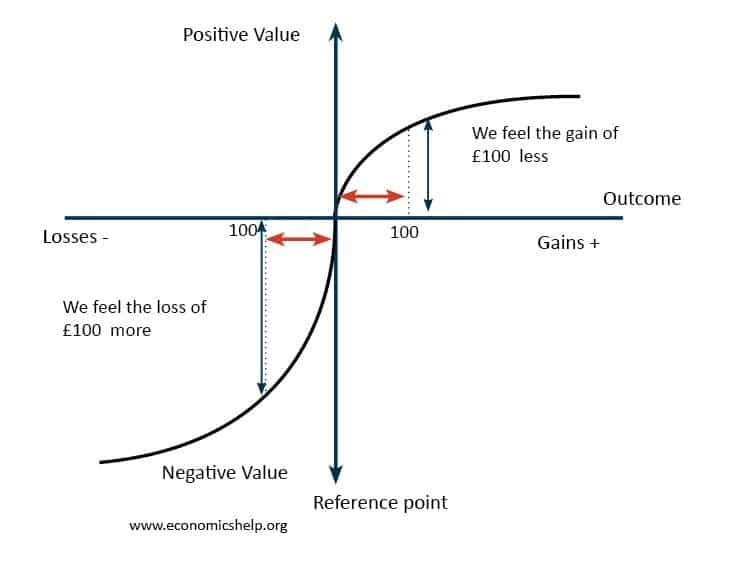
In a fascinating book called Thinking, Fast and Slow (2011), Kahneman & Tversky discuss Prospect Theory, which mentions that people feel the pain of loss more acutely than the pleasure of an equivalent gain. For instance, receiving a $300 concert ticket might bring a small amount of happiness (utility), but losing a $300 concert ticket we already owned would cause significantly more unhappiness.
I’d like to share a personal example, which I’m sure everyone can resonate with. I worked with a large potential partner to strike a deal that's going to catapult the growth of both our companies. The partner and I were committing significant resources, which include cutting-edge tech.
We’ve done our math, the strategy makes sense, and I trust my intuition on this deal. But they are afraid to take the risk at face value, especially when it comes to new technology. They kept finding ways to avoid or delay moving forward, because if it didn't work out, they would risk their reputation and P&L. I know that feeling quite well; however, the deal must get done as I’m under time pressure. It was already November, and I need to close this to set the business up for growth in the following year.
I knew that to close this deal, I had to reduce the perceived risk. This is crucial because as soon as anything is seen as a potential loss, people will back away. By creating options, I made the partner feel the upside was much higher and the downside very limited. I introduced options to include higher-margin products, explore other business avenues, and shorten the review periods for the overall deal. This reduced their perception of risk through the creation of options. The partner then felt that, no matter what happened, they were always winning—and that's the art of it.
The science backs it up too, as Kahneman and Tversky’s work sums it up quite well;
Loss Aversion: In prospect theory, losses are weighted roughly twice as heavily as gains. Creating options helps mitigate this by offering pathways to avoid or minimize losses, making decisions feel less risky.
Reference Points: People evaluate options relative to a reference point (e.g., the status quo). Multiple options allow decision-makers to redefine their reference point, reducing the perceived risk of deviating from it.
Certainty Effect: People overvalue certain outcomes (as seen in the preference for concert tickets). Offering a “certain” option alongside riskier ones can make the decision feel safer, even if the objective risk remains unchanged.
Deals rarely follow a straight path to the finish line; you sometimes have to chart a slightly different course to reduce the time to close when facing obstacles. Think of yourself as an explorer charting a path across the Atlantic Ocean. The great explorers knew they had limited time to find land before running out of supplies. Therefore, each time they faced a storm, they didn't wait for it to pass but rather charted a new path to reduce the headwind and keep sailing. Sometimes that initially took them in a slightly different direction but they ultimately still got to their destination.