
Castles of the Mind: Managing Egos in the Deal Room
Behind every negotiation sits a kingdom of belief. Learning to balance them is the real deal.

Welcome to my biweekly newsletter covering a range of topics within the deal making space. Join a bunch of curious folks here.
The bigger the deal, the bigger the money, the bigger the people and the bigger the egos.
At some point in your career, you realize that most of what you do isn’t really about strategy or numbers. It’s about managing politics. Managing people. Managing egos, including your own.
Every king and queen has their own view of the world and their own castle. Sometimes it’s a physical one, sometimes it’s a mental one which is the version of reality they’ve built and decided to live in. Most of my days are spent standing somewhere in the middle of these castles, trying to keep the ship steady so no one falls into the freezing ocean. That’s the life of business development. And I won’t lie, it’s tough. Especially when you’ve got your own ego to balance while trying to calm everyone else’s.
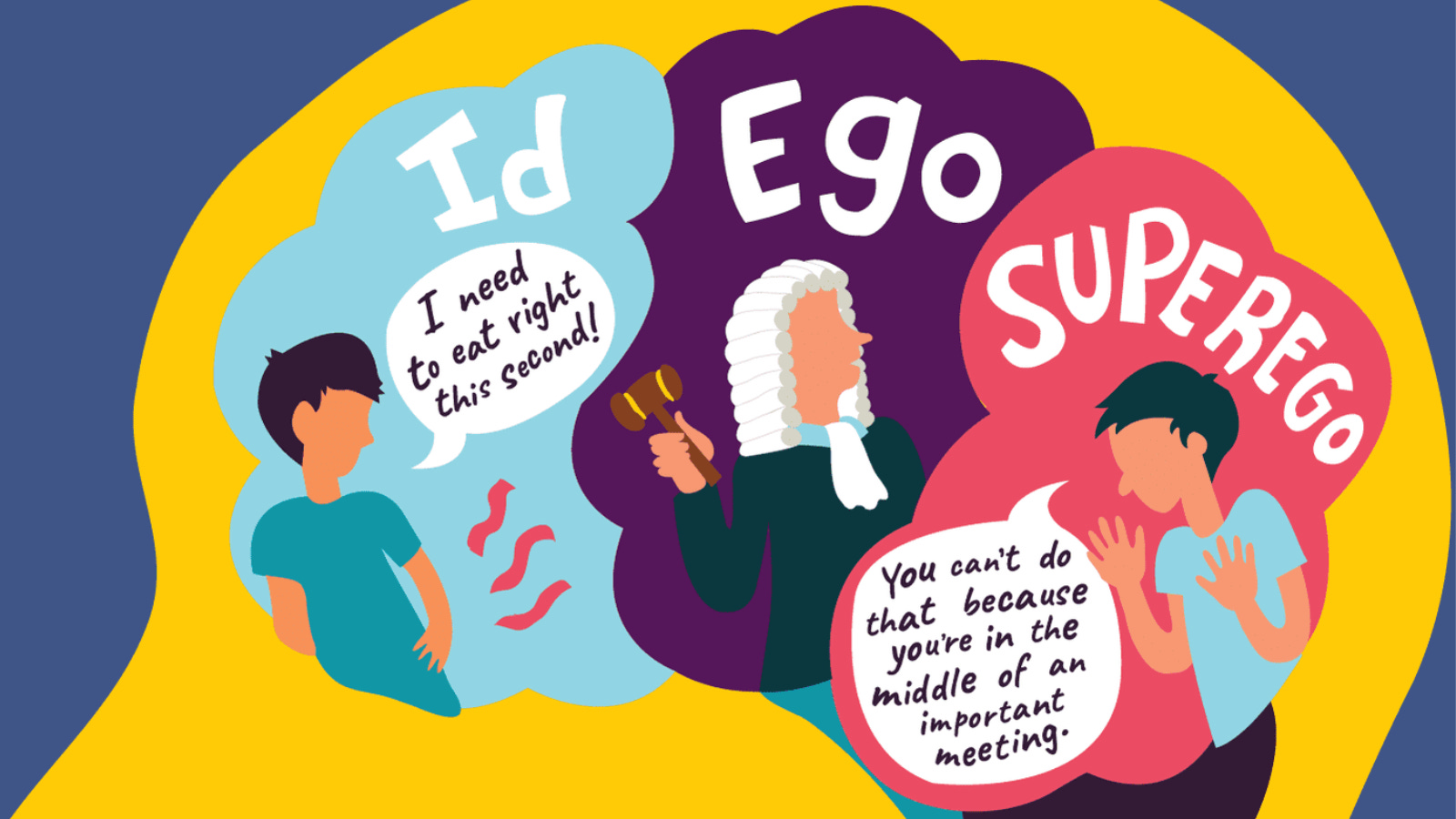
The word balance is the key here. Freud talked about it more than a century ago and referred to the ego as balancing the id (your instincts and impulses) and the superego (your morals and conscience). It’s the inner referee that keeps the game in play.
You can feel it at work when a coworker drops their responsibility on you an hour before a deadline and walks off for coffee. Your first instinct is to snap (that’s the id). Another voice tells you to just do it quietly (that’s the superego). And somewhere in the middle, your ego steps in, reminding you to stay composed, manage the frustration, and address it calmly later. That’s the ego doing its job: keeping chaos from running the show.
Where the Ego Begins
I never truly understood the origin of the ego until my daughter was born.
Like most new parents, my wife and I read everything we could about parenting from science, philosophy, spirituality. Everyone warned us about the “terrible twos,” and I remember thinking, what’s so terrible about it? Until it arrived.
Suddenly, our sweet baby started saying no. Loudly. Repeatedly. She wanted what she wanted and nothing else. At first, it was frustrating and then I realized what was really happening. That was the moment she was forming her sense of I. Her ego.
The tantrums weren’t rebellion — they were selfhood. The human spirit, in its earliest form, learning to declare itself to the world. Once we saw it that way, everything changed. The “terrible twos” weren’t terrible anymore; they were beautiful. The start of individuality.
We also learned that how you respond in that stage matters. Discipline too harsh, and you suppress that sense of self. Too lenient, and you build a fragile ego that can’t handle resistance later in life. Balance it — and you help them grow into someone who knows who they are, but also knows how to coexist with others.
From Toddlers to Boardrooms
That early ego doesn’t disappear. It just grows up, puts on a title, and starts attending deal reviews.
In every partnership, every negotiation, you’re dealing with versions of that same force, people asserting I. The challenge isn’t getting rid of ego; it’s managing its collisions. Everyone has their own vision, their own story about how the world should look. Every deal is just a stage where those stories meet and test each other.
When I’m deep in a deal, I always remind myself:
my vision of the deal, the thing I believe in so strongly, is also a product of my ego. It’s what pushes me forward, what fuels my conviction. But it also means it will be tested. The moment my idea collides with others, their egos show up too, each shaped by its own history, incentives, and fears.
So I prepare for that. I expect to be thrown off course. Every day.
And over time, I’ve found a few ways to navigate it that have saved me more times than I can count.
How to Manage Off-Balance Egos
1. Mirror, then redirect.
When someone’s ego flares up, don’t fight it head-on. Mirror the emotion for a second by saying something like, “I get why that would be frustrating” and then redirect it toward progress: “Which is why we should lock this down today.” You acknowledge the person without feeding the fire.
2. Separate identity from idea.
Don’t make disagreements personal. Frame it as joint problem-solving: “We’re both seeing different sides of the same issue.” It moves the focus back to the problem, not the person.
3. Let them write part of the story.
Everyone wants narrative control. When you’re close to alignment, let them describe how the deal benefits them. Ask, “How would you present this to your board?” It helps them own the win. Their ego gets fed, but the deal stays intact.
Managing egos isn’t about trying to manipulate people, it’s about understanding what drives people, including yourself.
In the end, deals fall apart not because of bad math or weak strategy, but because someone’s castle got shaken.
At the heart of every deal are just people that are each carrying a small kingdom inside them, each guarding their flag. The trick isn’t conquering those kingdoms; it’s learning to let them stand side by side.
All you have to do is balance the egos, and the deal takes care of itself. Balance your own, and you just might find peace in the chaos.
Powerful and eloquently articulated perspective on the undercurrent of interpersonal dynamics in the modern world. Love the personal touch in the narrative of your life experience as a new dad, Shav! This has been my realization as well lately, and IMHO, this tactful nuance in political context is also the reason AI will not replace humans, just augment them so more human attention can rightly focus here.